can a museum be sexy?
(asking for Seoul)

Dearest Gentle Reader,
Welcome back! Or... should I be welcoming myself back?
In case you didn’t notice, I’ve been off the grid for the past couple of weeks, travelling across South Korea with my family, a trip that partially explains the radio silence around here. But now that I’m back, past jet-lag and completely full of kimchi, I’d like to open this post with a very important, deeply philosophical question that came to me while exploring the National Museum of Korea in Seoul:
Can a museum be... sexy?
Hear me out.
The museum - a sprawling timeline of Korean history from prehistoric times to the modern era - was, well, sleek. I’m talking moody lighting, rich wooden panels, dramatic shadows, and a perfectly curated exhibition flow. At one point, I found myself walking through a dimly lit corridor showcasing ancient scrolls and scriptures (in a nutshell, admin from 500 years ago) and had the distinct feeling I was being gently lured into a swanky cocktail bar where a tall, dark stranger was about to sweep me into a perfect first date.
It was history, but make it hot.
But here’s the thing: the design wasn't just stunning - it was also thoughtful. Despite the vibe, this was a space clearly designed to be kid-friendly. Every section was laid out with clarity, intention, and even playfulness. There were interactive screens, displays at different eye levels, and an obvious effort to make history feel accessible and engaging.
Even more surprising: over the weekend, the museum was full of young children being led around by freelance tour guides. These weren’t school-organised trips. In Seoul, parents who want to engage their kids in culture (and maybe have a moment to themselves) pool together with other families, hire a freelance guide (think of it as the cultural equivalent of finding a tutor on social media), and send their little ones off for a wee museum adventure. And you know what? The kids seemed into it. Genuinely into it.
It reminded me of scenes I’ve witnessed in the National Gallery in London: classes of schoolchildren spread out on the floor, sketching their own interpretations of Impressionist paintings, asking questions, engaging in actual conversation about the art rather than being dragged around, dazed and yawning. There's something quietly powerful about watching children interact with culture instead of just being told to absorb it.
Which brings me to a broader observation: South Korea is doing tourism right.
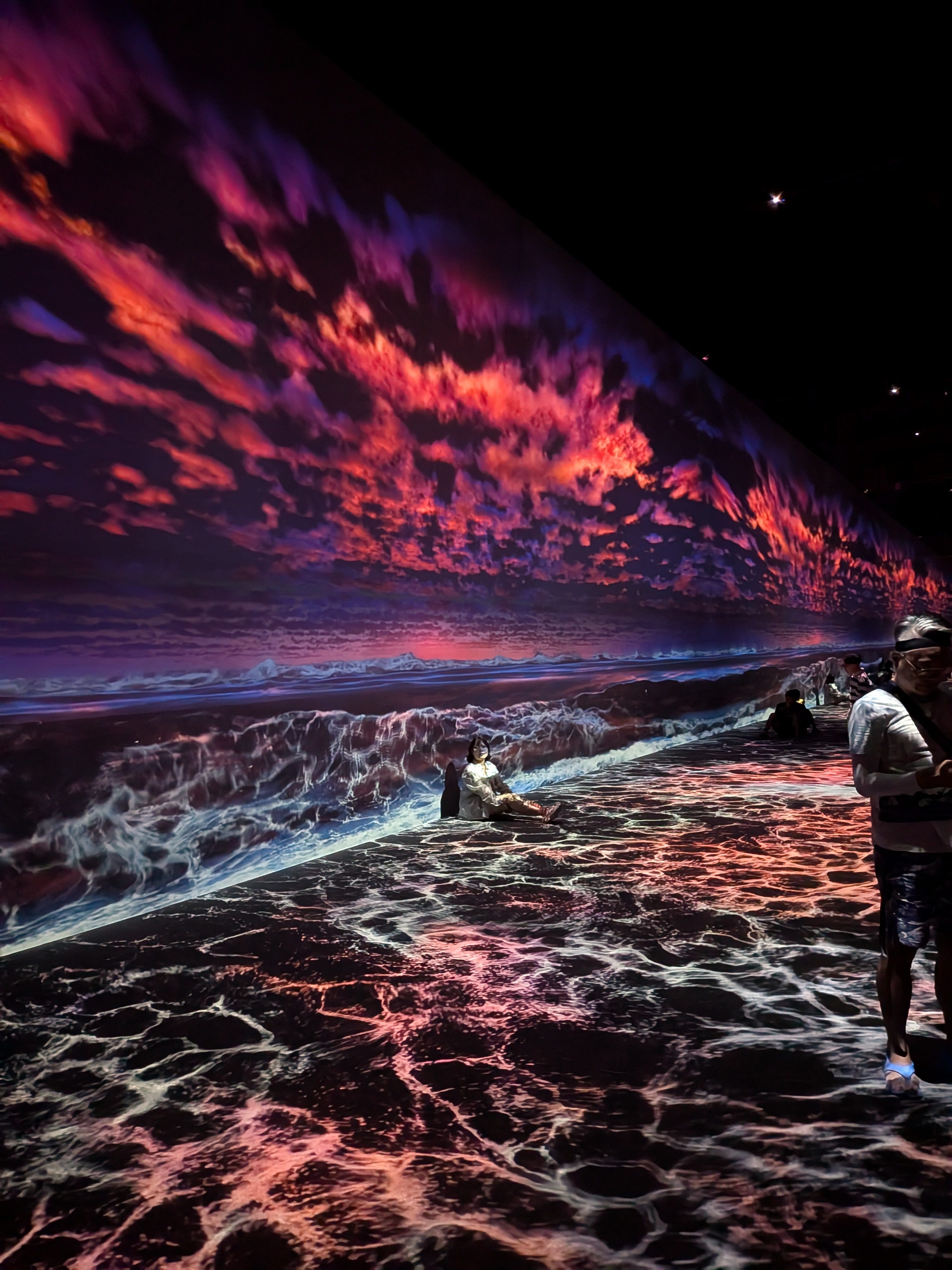
Let’s fast-forward to Jeju Island - humid, stunning, and rich in both natural beauty and cultural legacy. I’ll admit, I was sceptical at first. A Snoopy Museum? A Green Tea Museum? Immersive light installations? Why do we need any of this on a volcanic island thousands of miles from Peanuts’ origin story?
But somehow it worked. All of it.
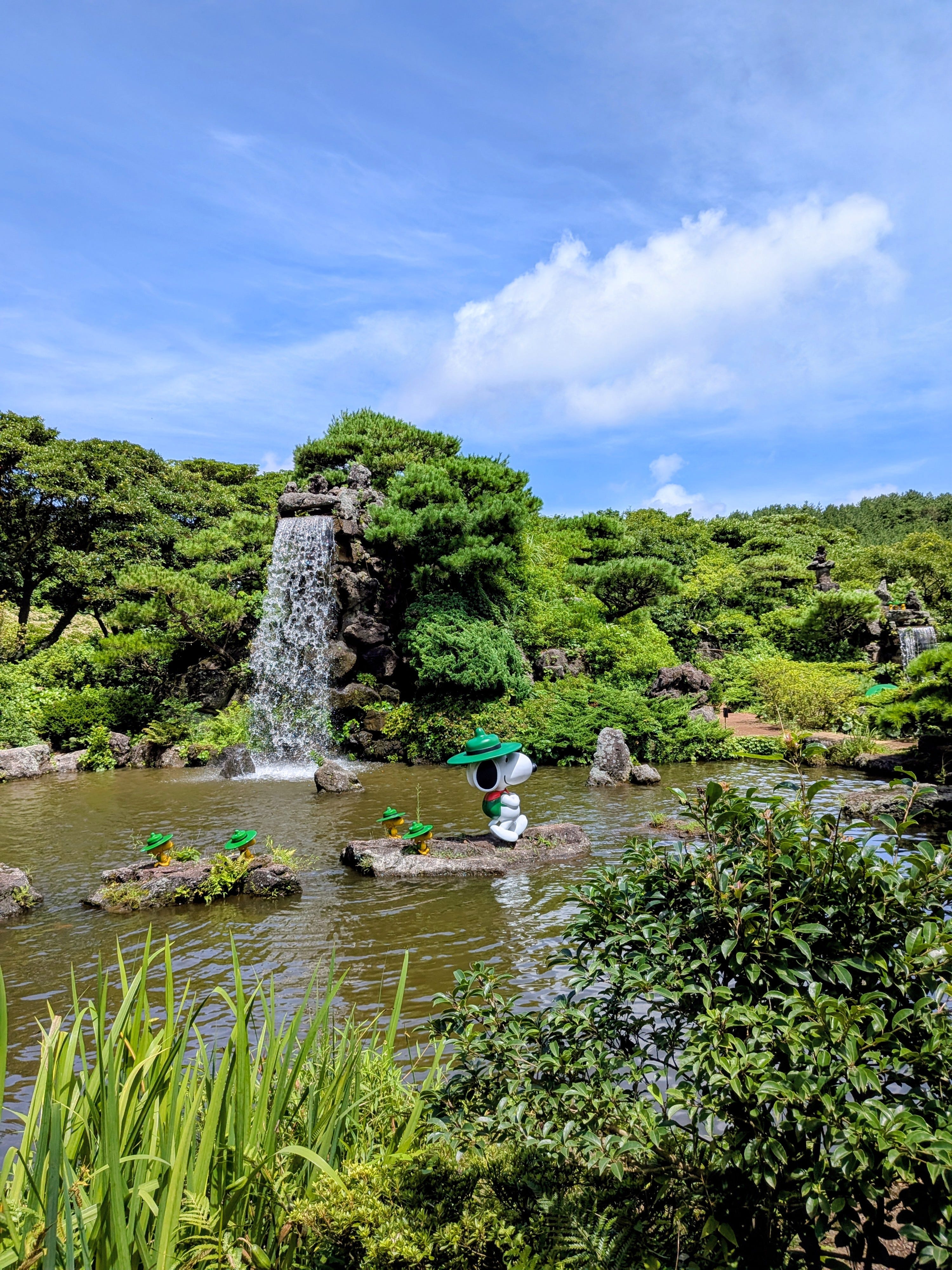
We were ferried around from place to place: many of them small, sometimes kitsch, always lovingly curated. And somehow, each museum or experience felt worth it. Not because the exhibits were groundbreaking, but because they were immersive, beautiful, and thoughtfully designed. Jeju is full of these little gems - moments of joy and discovery, tucked into unexpected places.
Even the walking paths by the seaside are pristine, carefully maintained and accessible. Someone - many someones - clearly cares. Every detail, from the polished museum corridors to the smooth walking trails, is a reminder that a lot of thought has gone into making these locations pleasant for locals and visitors alike - not just profitable.
So yes, dear reader, this may sound like a hyper-specific travel dispatch, but it’s also a quiet ode to good design, thoughtful planning, and the small moments that make a destination feel special. Sometimes, the thing that makes you fall in love with a country isn’t the most obvious headline attraction - it’s the corridor that feels like a swanky bar, the five-year-olds enraptured by ancient scrolls, or the realisation that you’re in a place where someone has actually thought: how can we make this better?
Love,
Katerina